In the bustling world of small businesses, safeguarding your venture with the right insurance can be the secret ingredient to success. Imagine having peace of mind, knowing you’re protected against the unexpected twists and turns of entrepreneurship. With affordable small business insurance options, this dream can become a reality without breaking the bank.
Every small business, regardless of its size or industry, deserves the security of comprehensive insurance coverage. By understanding the ins and outs of affordable insurance, you can confidently navigate the sea of options and select the perfect plan tailored to your unique needs. Let’s dive into this essential guide and transform the way you protect your business!
Understanding Affordable Small Business Insurance
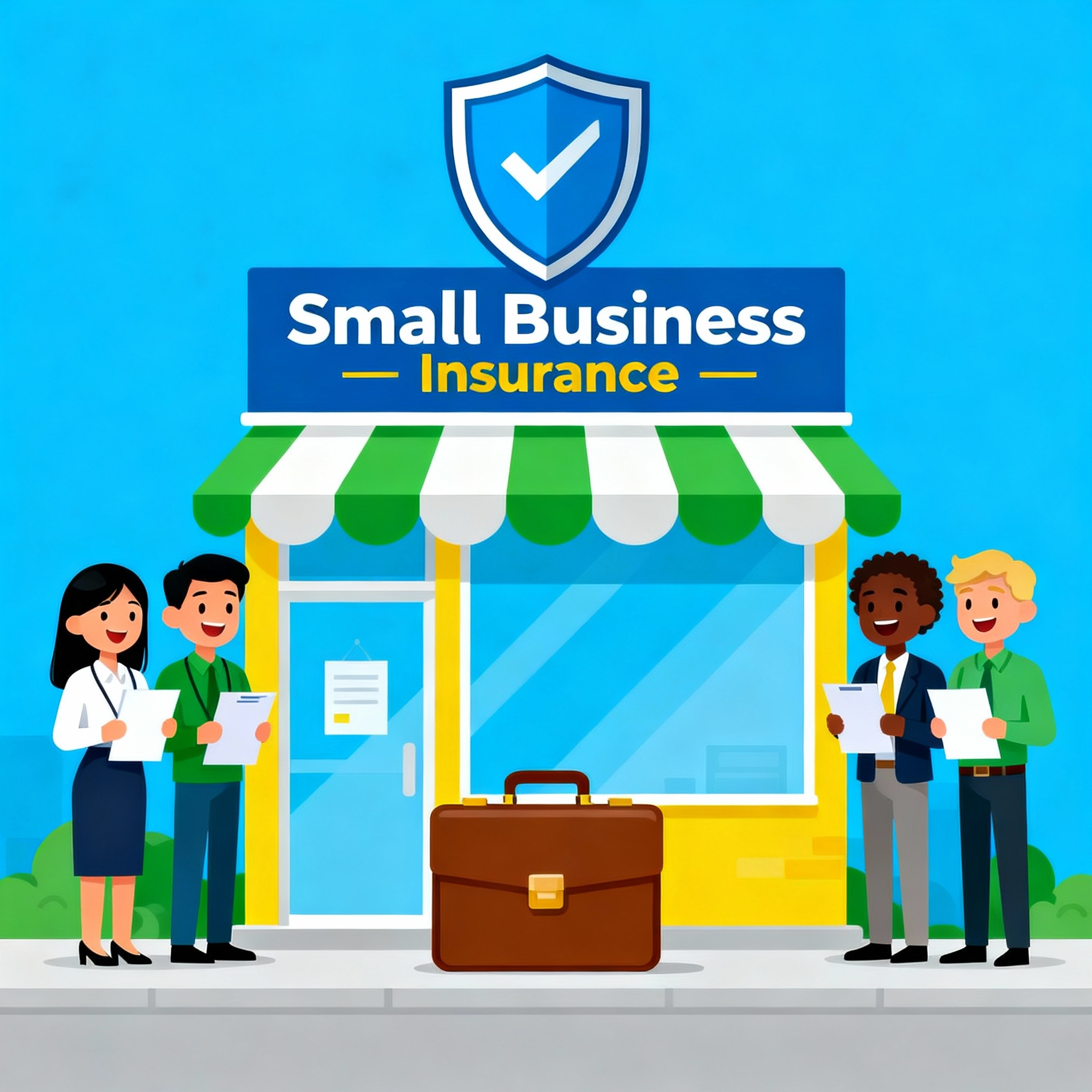
Running a small business is a thrilling adventure filled with opportunities and challenges. One way to safeguard your journey is through affordable insurance options designed specifically for small businesses.
Insurance is a crucial shield that protects your business from various risks. By understanding the available options, you can ensure that your enterprise remains resilient against unforeseen events.
Importance of Affordable Insurance for Small Businesses
Small businesses often operate on tight budgets, making it vital to find insurance solutions that provide essential protection without breaking the bank. Affordable insurance helps businesses mitigate risks and secure their financial future.
Types of Insurance Options for Small Businesses
Different businesses face different risks, which is why various insurance types are available to address specific needs. It’s important to select the appropriate coverage for your unique circumstances.
- General Liability Insurance: Covers third-party claims related to bodily injury or property damage.
- Professional Liability Insurance: Protects against claims of negligence or mistakes in professional services.
- Commercial Property Insurance: Safeguards your business’s physical assets from damage or theft.
- Workers’ Compensation Insurance: Offers coverage for employee injuries sustained on the job.
- Product Liability Insurance: Protects against claims related to defective products that cause harm.
Common Small Business Risks Covered by Insurance
Understanding the risks your business might face is key to selecting the right insurance coverage. Common risks include:
“A well-protected business is a resilient business.”
- Customer injuries on your premises.
- Damage to business property from natural disasters.
- Lawsuits related to professional services.
- Employee injuries or illnesses.
- Financial loss due to product malfunctions.
Key Criteria for Choosing Affordable Insurance
In the bustling world of small business, securing the right insurance is akin to wearing a shield in a battle of uncertainties. It’s essential to balance affordability with comprehensive coverage to protect your venture.
Understanding key criteria is vital for making informed decisions. By evaluating different providers and assessing policy values, small business owners can ensure they are adequately protected without breaking the bank.
Factors to Consider When Selecting Insurance
Choosing an insurance policy isn’t just about picking the cheapest option. Consider factors such as coverage types, deductibles, limits, and the insurer’s reputation. Assess whether the policy covers essential aspects like liability, property, and worker’s compensation.
Comparing Insurance Providers
There are many players in the insurance market, each offering unique packages. It’s crucial to compare providers based on their affordability and the breadth of their coverage. Look for customer reviews and ratings to gauge their reliability and customer service.
| Provider | Coverage Types | Price Range |
|---|---|---|
| InsureCo | General Liability, Property, Workers’ Comp | $50 – $200/month |
| CoverAll | Professional Liability, Cyber Insurance | $30 – $150/month |
| SafeGuard | Business Owner Policy, Equipment Breakdown | $70 – $250/month |
Assessing Policy Value
To assess an insurance policy’s true value, delve into its details: What’s covered? What’s not? How much will it cost you over time? Consider the insurer’s financial strength and claims process efficiency. A policy is valuable if it offers robust coverage at a competitive price and comes from a trusted company.
“The bitterness of poor coverage remains long after the sweetness of low price is forgotten.”
Cost-Effective Insurance Solutions for Startups
Starting a business is an exciting journey, but it comes with its fair share of challenges. One such challenge is finding the right insurance without breaking the bank. Let’s explore some strategic approaches to securing affordable insurance for your startup.
Understanding how to balance cost and coverage is crucial for any startup. By taking a strategic approach, you can protect your business while keeping expenses in check.
Strategies for Obtaining Budget-Friendly Insurance
One of the first steps for startups is to assess their unique risks and only invest in essential coverage. Consider bundling policies to take advantage of discounts. Startups should also shop around, comparing quotes from different insurers to find the best deal. Networking within industry groups can also reveal hidden gems—insurers with competitive rates known through word-of-mouth.
- Assess unique business risks
- Bundle insurance policies to save more
- Compare quotes from multiple insurers
- Leverage industry networks for recommendations
Case Studies of Affordable Insurance Success
Many startups have navigated the insurance landscape successfully. For instance, a tech startup in San Francisco managed to cut their insurance costs by 20% by opting for a policy that combined general liability and professional liability into one package. This approach not only reduced premiums but also streamlined their coverage.
Another example is a small bakery that saved significantly by joining a local business association, which offered access to group insurance rates. This collective strategy allowed them to enjoy comprehensive coverage at a fraction of the standard cost.
Designing a Plan for Prioritizing Insurance Needs
Creating a tailored insurance plan is vital for startups aiming to avoid overspending. Begin by identifying the most critical risks your business faces. Focus on obtaining the essential coverage first, such as general liability and property insurance. Once the basics are secured, evaluate additional coverages based on your specific industry needs.
- Identify critical business risks
- Secure essential coverage first
- Evaluate industry-specific insurance needs
- Regularly review and adjust coverage as the business grows
“Finding the right insurance was daunting, but essential. By prioritizing and strategically choosing our coverage, we not only protected our business but also helped it thrive without overspending.” – Jane Doe, Founder of Tech Innovators
Common Misconceptions About Affordable Insurance
Navigating the world of affordable insurance can be tricky, with many myths clouding judgment. Let’s unravel these misconceptions to help you make informed decisions.
Affordable insurance often gets a bad rap due to common misconceptions that can steer business owners away from making smart choices. These myths can lead to unnecessary fear or hesitation, preventing entrepreneurs from securing the protection they need at a price they can afford.
Dispelling Myths for Better Decision-Making
Misunderstandings about low-cost insurance can significantly impact decision-making, leading to either overpaying for unnecessary coverage or underinsuring, which leaves businesses vulnerable. It’s crucial to distinguish between myths and facts—doing so will empower you to select the right plan confidently and affordably.
- Myth: “Affordable insurance means inadequate coverage.” Fact: Affordable plans can offer comprehensive coverage if you understand your needs and choose wisely.
- Myth: “Low-cost insurance isn’t reliable.” Fact: Many reputable companies offer budget-friendly plans without compromising reliability.
- Myth: “All policies are the same, so cheaper is better.” Fact: Policies differ significantly; the cheapest isn’t always the best fit for your business needs.
- Myth: “Affordable insurance is full of hidden fees.” Fact: Transparency is key; choose insurers that provide clear terms and conditions.
Verification of Affordable Policies
Before committing to an affordable insurance policy, it’s essential to verify its legitimacy. Start by researching the insurer’s reputation and financial stability. Look for reviews and ratings from credible sources, and don’t shy away from asking the insurer direct questions about what their policy covers. Always read the fine print and compare policy terms with similar offerings from multiple providers to ensure you’re getting the best value.
| Myth | Fact |
|---|---|
| “Affordable insurance is unreliable.” | Many established insurers offer budget-friendly yet reliable coverage options. |
| “Low-cost plans have hidden fees.” | Transparent policies are available; always review terms and seek clarity upfront. |
Understanding the difference between myths and realities can be the key to unlocking the true potential of affordable insurance plans.
Tailoring Insurance Options for Specific Industries
In the vibrant tapestry of business landscapes, one size does not fit all when it comes to insurance. Every industry has its own unique needs, requiring bespoke insurance solutions that ensure comprehensive protection.
The world of business insurance is as diverse as the industries it serves. Tailoring insurance options to meet industry-specific demands involves understanding the nuanced risks and operational specifics of each sector. This customization is key to providing the security that businesses need to thrive without overextending their budgets.
Customizing Insurance Plans for Unique Business Needs
Different industries face unique risks, and insurance providers must craft policies that address these specific challenges. For instance, a restaurant might prioritize coverage for food spoilage or customer slip-and-fall incidents, while a technology firm may focus on cyber liability and data breach concerns. This process involves a comprehensive assessment of business operations, potential risks, and regulatory requirements to ensure that the coverage is both adequate and cost-effective.
Industry-Specific Insurance Add-Ons
Certain add-ons can enhance a standard policy to cater to industry-specific needs. For example, a construction company might benefit from contractor’s equipment insurance, safeguarding their valuable tools and machinery. Similarly, a retail store could opt for product liability insurance to protect against claims related to faulty products. Such targeted enhancements not only offer peace of mind but also demonstrate the agility of insurance providers in meeting diverse market needs.
Below is a comparison of various industries, specific coverage options tailored for them, and the potential cost savings these bespoke solutions can offer:
| Industry | Specific Coverage Options | Potential Cost Savings (%) |
|---|---|---|
| Retail | Product Liability & Theft Protection | 15% |
| Technology | Cyber Liability & Data Breach Coverage | 20% |
| Construction | Contractor’s Equipment & Builder’s Risk Insurance | 25% |
| Healthcare | Malpractice & Medical Equipment Insurance | 18% |
The right insurance coverage transforms from a financial burden to a strategic asset when tailored to the unique needs of your industry.
Steps to Secure the Best Affordable Insurance
Securing the right insurance for your small business doesn’t have to be a daunting task. With the right approach, you can find a policy that offers both comprehensive coverage and affordability.
By following a clear set of steps, you can confidently navigate the insurance market and secure the best deal for your business needs.
Organizing Your Search for Insurance
To begin the process effectively, it’s crucial to have a structured plan. This will help you manage the overwhelming number of options and focus on what truly matters for your business.
- Assess your business risks and understand exactly what coverage you need.
- Research multiple insurance providers to compare offers.
- Consult with industry peers or business networks for provider recommendations.
- Gather all necessary business documents and financial records before making inquiries.
Negotiating Better Insurance Rates
Don’t settle for the first quote you receive. There are techniques to ensure you are getting the most value for your money.
- Contact multiple providers to create a competitive bidding scenario.
- Leverage relationships with local business associations for potential discounts.
- Ask for multi-policy discounts if you need more than one type of insurance.
- Quote: “Never be afraid to ask for a better rate; negotiation is key.”
Strategies for Maintaining Low Insurance Costs
Keeping your insurance costs low is an ongoing process. Here are some strategies to ensure your premiums remain affordable over time.
- Regularly review your coverage to eliminate unnecessary add-ons.
- Implement risk management practices to lower your risk profile.
- Maintain a good credit score; insurers often use this to determine rates.
- Consider raising your deductible to lower your premium costs.
Closure
In conclusion, securing the right affordable insurance for your small business isn’t just a necessity; it’s a strategic investment in your company’s future. By understanding the various options and following our expert tips, you can fortify your business against unforeseen challenges. Remember, the journey to finding the perfect insurance plan is a marathon, not a sprint, but the rewards are well worth the effort. Let’s ensure that your business is not only surviving but thriving with the best protection possible!

