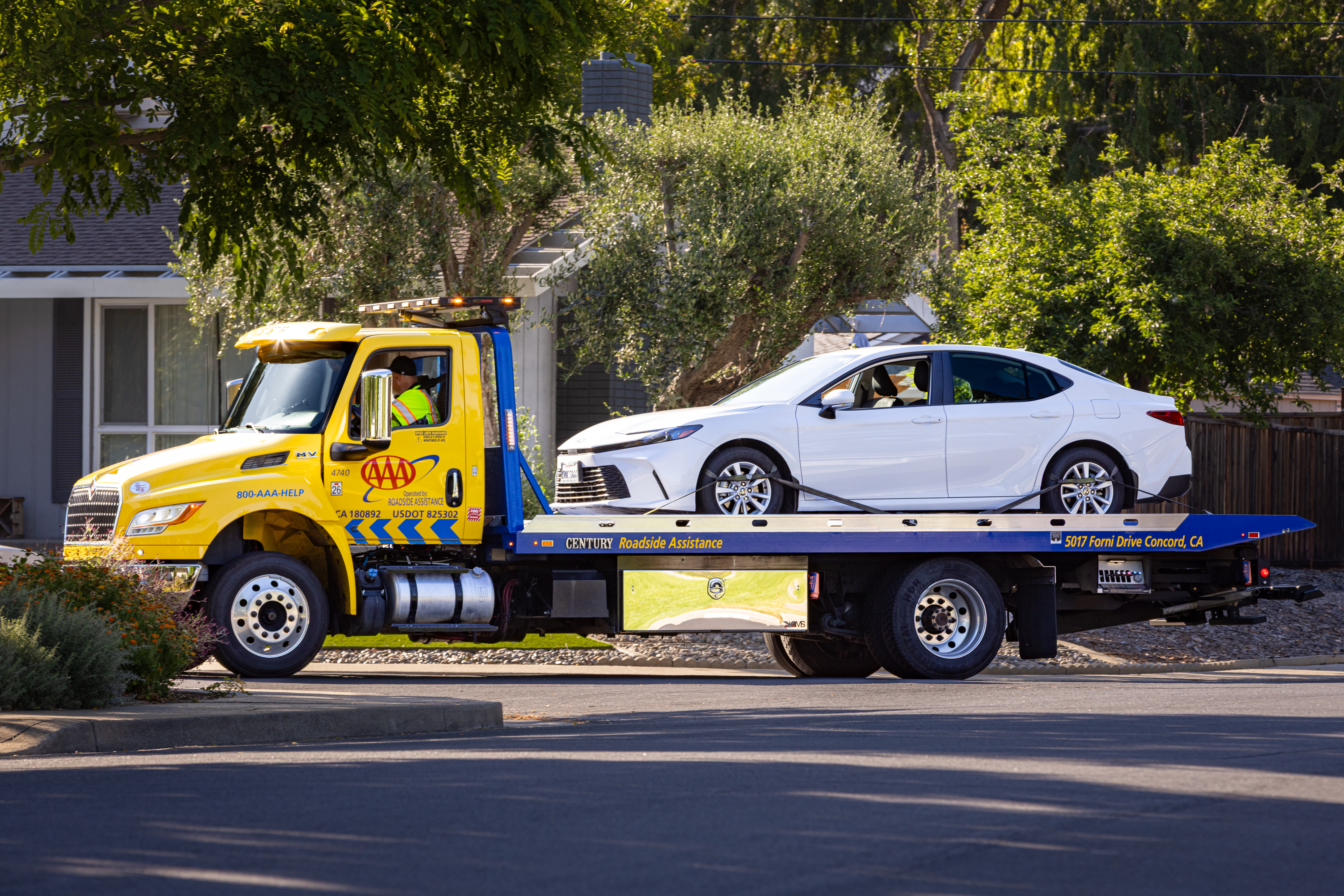
Many drivers assume AAA membership and car insurance are the same thing, or that one automatically includes the other. They are not. AAA membership is a separate annual product built around roadside assistance, travel help, and member discounts. AAA insurance is a financial protection product that covers accidents, theft, liability, and property damage.
The question most people actually want answered is simpler: Do you need the membership if your goal is insurance? And if you already have insurance elsewhere, is the membership still worth paying for?
The short answer is that membership is often required if you want to buy AAA-branded auto insurance, but it is not required to insure your car in general. What many people miss is that the membership itself delivers benefits insurance policies usually do not—especially coverage that follows the person rather than a specific vehicle.
Membership and Insurance Are Two Different Products
AAA is a federation of regional motor clubs, not a single national insurance company. Those clubs sell memberships for roadside help and lifestyle discounts. Many of the same clubs also sell insurance through affiliated underwriters.
Membership typically includes:
- 24/7 roadside assistance (towing, jump-starts, lockouts, fuel delivery, flat tires)
- Coverage that follows you as a person, not a particular car
- Travel planning tools, maps, and trip interruption help on higher tiers
- Retail, dining, hotel, rental car, and entertainment discounts
- Free identity-theft monitoring (enrollment usually required)
- Branch services such as passport photos, notary, and sometimes DMV help
Insurance, by contrast, pays for legally required liability, collision, comprehensive, medical payments or PIP, and uninsured motorist coverage. It is designed for financial loss after an accident or covered event, not for a dead battery on a Saturday night.
Using insurance roadside assistance—if your policy even includes it—often counts as a claim or at least as a service event. Frequent use can affect future rates. AAA roadside calls generally do not.
Is AAA Membership Required to Buy AAA Insurance?
In most regions, yes. At least one driver on the policy must hold an active AAA membership to purchase AAA auto insurance. Membership is sold separately and is not bundled into the insurance premium automatically.
Some regional clubs have marketed insurance more flexibly to non-members in the past, but the dominant current model is member-only access for AAA-branded auto policies. Home, renters, life, and specialty products can have slightly different rules depending on the club, but auto coverage is the product most tightly tied to membership.
You do not need AAA insurance to buy a membership. You also do not need AAA insurance to drive legally. Any licensed insurer that meets your state’s minimums can cover the car. Membership is an add-on decision, not a legal requirement.
The Hidden Benefits People Overlook
The most valuable parts of membership are often not the ones advertised first.
Coverage follows you, not the car
This is the biggest structural difference from insurance roadside add-ons. If you are a passenger in a friend’s car, driving a rental, borrowing a relative’s vehicle, or even with a bicycle in some plans, you can still request service as long as you are present. Insurance roadside assistance almost always attaches to the insured vehicle only.
That matters for families, frequent renters, rideshare passengers, and anyone who does not always drive their own car.
Roadside help without a claim
Calling your insurer for a tow or jump-start can raise questions at renewal. AAA treats those events as membership services. For drivers who want to keep a clean claims record, that separation has real value.
Insurance discounts that can offset the dues
Members commonly receive about 5% off AAA auto premiums and larger savings when they bundle auto with home, condo, or renters coverage. Some clubs advertise multi-policy savings in the 10–25% range depending on products and state. Life insurance discounts of around 10% on certain term and whole-life products also appear in member materials.
If the insurance discount plus other member savings exceed the annual dues, the membership effectively pays for itself even before anyone uses a tow.
Travel and trip-interruption protection
Plus and Premier tiers add trip interruption, delayed-trip, and lost-baggage benefits that ordinary auto policies rarely match at this price. Premier plans in many clubs include one complimentary one-day rental after a qualifying non-collision tow.
Everyday discounts that add up
AAA regularly states that members who actually use the discount network save more than the cost of Classic membership on average. Hotels, rental cars, theme parks, auto parts, restaurants, and retail partners are the usual categories. The savings only count if you use them; unused memberships look expensive.
Identity-theft monitoring and branch services
Free monitoring (after enrollment) plus in-person services at local offices—passport photos, notary, travel agency help—are easy to ignore until you need them. They are not insurance, but they reduce friction and out-of-pocket costs.
Repair-network discounts
Members often receive labor discounts at AAA-approved shops. Combined with insurance, that can lower the real cost of a claim even when the insurer is paying most of the bill.
What Membership Costs in 2026
Prices vary by regional club and ZIP code. Typical published ranges:
- Classic: roughly $55–$80 per year (short tows, often 5–7 miles)
- Plus: roughly $90–$135 per year (tows up to about 100 miles)
- Premier: roughly $125–$175 per year (one longer tow up to 200 miles plus extra travel benefits)
Associate members in the same household are usually added at a steep discount. Some clubs run first-year promotions that make the first associate free or heavily reduced.
Compare that with a single non-member tow, which can easily run $100–$150 locally and far more on a highway or after hours. Two or three service calls in a year can exceed Classic dues.
When Membership Makes Sense for Insurance Shoppers
Membership is most useful if several of these apply:
- You want to buy AAA insurance and the member discount plus bundle savings beat competing quotes after adding the dues.
- You already use or would use roadside help a few times a year.
- You frequently drive vehicles that are not on your own policy.
- You travel enough to use hotel, rental-car, or trip-interruption benefits.
- You prefer not to file insurance claims for minor mechanical events.
- You value having one organization for roadside, travel planning, and insurance conversations.
It is less compelling if you almost never drive, already have robust roadside coverage through a credit card or manufacturer plan that you actually use, or can get a meaningfully cheaper insurance quote elsewhere and will not use the other perks.
Membership vs. Adding Roadside to Your Current Policy
Insurance companies sell roadside as an inexpensive endorsement, often $10–$25 per year. That looks cheaper on paper. The trade-offs are:
- Coverage usually applies only to listed vehicles.
- Service quality and wait times vary widely.
- The event may appear on your insurance record.
- You do not get the broader discount ecosystem or person-based coverage.
AAA’s higher sticker price buys a different product: a personal safety net plus a loyalty program. Whether that is “necessary” depends on how you drive and how you shop for insurance, not on a universal rule.
How to Decide Without Overpaying
Get two or three insurance quotes with and without AAA in the mix. Add the exact membership fee for your ZIP code to the AAA insurance premium. Then subtract any member discount the quote already includes so you do not double-count.
Next, estimate realistic use:
- How many roadside events did you have in the last three years?
- How often do you rent cars or ride in others’ vehicles?
- Do you book enough travel or shopping through AAA partners to recoup $60–$150?
If the combined insurance-plus-membership cost is close to a non-AAA policy and you will use even one extra benefit, membership is usually rational. If a competitor is hundreds of dollars cheaper and you rarely need a tow, skip it.
Check your current insurer’s roadside terms before canceling anything. Some policies already include limited towing; stacking AAA on top is still useful because of the person-based coverage, but you should know what you already own.
Regional Reality Check
Benefits, towing miles, insurance availability, and even whether membership is strictly required for a quote all depend on which motor club serves your area. A Southern California member and a Midwestern member are not buying identical products. Always confirm details on your local club’s site or with an agent rather than assuming a national average applies to you.
Customer satisfaction and claims handling also vary by club. AAA clubs often score well in their home regions and less consistently elsewhere. Insurance financial strength ratings for the affiliated underwriters are generally strong, but that is separate from membership service quality.
Bottom Line
AAA membership is not legally necessary for insurance. It is frequently necessary if you specifically want AAA insurance. For everyone else, it is an optional safety and savings layer.
The overlooked value is not the logo on the tow truck. It is coverage that travels with you, roadside help that does not become an insurance event, and a stack of small discounts and services that can exceed the annual fee when used. For drivers who already shop insurance carefully and travel or drive in mixed vehicles, those extras often justify the cost. For low-mileage drivers with cheap existing coverage and unused credit-card roadside benefits, they often do not.
Run the numbers for your ZIP code, your actual driving pattern, and a current insurance quote. That comparison—not the marketing—is what tells you whether membership is necessary for your situation.

